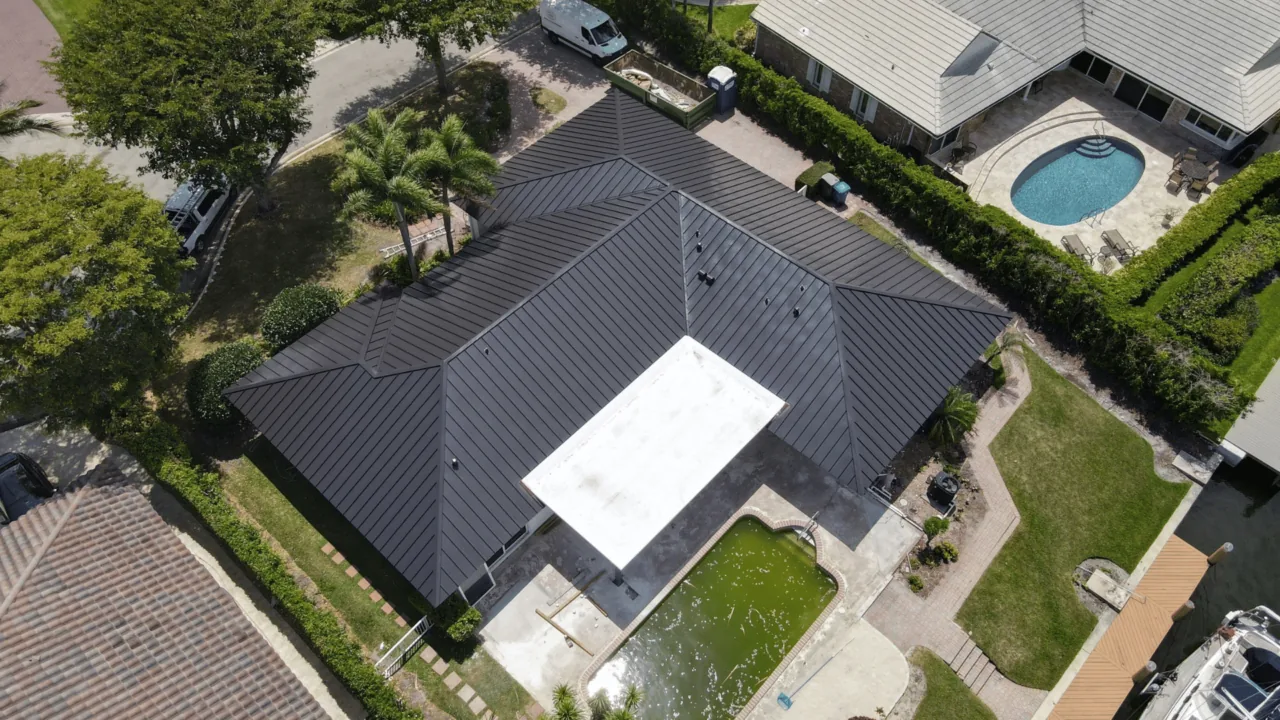
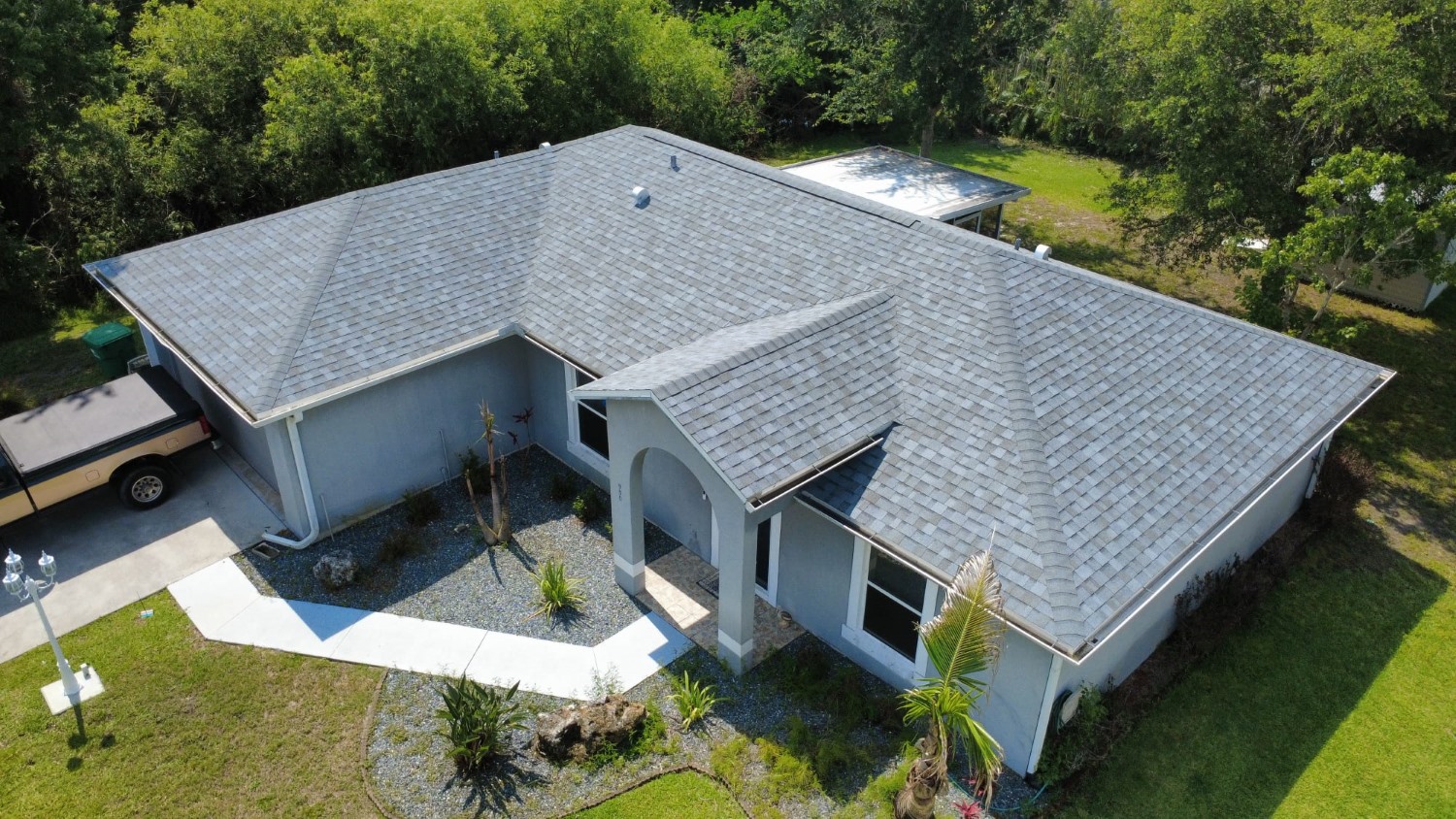
The Atlantic hurricane season runs from June 1 through November 30. When it closes, most Treasure Coast homeowners exhale and forget about the roof until next June. That is exactly backwards. The weeks right after the season ends are the best time to find out what the season actually did to your roof, while you still have time to act on it.
Why the post-season check matters
A lot of storm damage is invisible from the driveway. A shingle that lifted and resealed crooked, a cracked tile under an intact one, flashing that pulled a quarter inch away from a wall. None of it leaks on day one. It leaks in the first hard rain of the next wet season, when the decking has already been soaking for months.
There is also a deadline. Under Florida law, notice of a new or reopened hurricane claim generally has to be given to your insurer within one year of the date the hurricane made landfall or damaged the property, and supplemental claims within 18 months (Fla. Stat. 627.70132). If a storm damaged your roof this season and nobody looked, the clock is already running. Talk to your insurer or agent about your specific policy, and see our Florida roof insurance claim guide for how the process works.
Your post-season roof checklist
From the ground (do this yourself)
- Shingles: look for missing tabs, lifted edges, or a line of shingles that looks crooked or creased.
- Tile: look for cracked, slipped, or missing tiles, and any bare spots.
- Metal: look for panels that look wavy, lifted seams, or missing fasteners.
- Gutters and downspouts: a pile of shingle granules at the downspout outlet means shingles are wearing faster than they should.
- Soffit and fascia: sagging, peeling, or missing sections are often the first thing wind damages. More on that in our soffit and fascia guide.
From the inside
- Ceilings: any new stain, even a faint one, especially near exterior walls and around light fixtures.
- Attic: if you can safely look, check for daylight through the decking, damp insulation, or dark water marks on the wood.
- Musty smell in a closet or upstairs room that wasn’t there in spring.
Leave the rest to a pro
Please don’t climb onto the roof. Flashing around chimneys, vents, and skylights, fastener condition, underlayment exposure, and the details that matter for an insurance claim need someone on the roof who knows what they are looking at, with photos you can keep.
Why November and December are the right time
Florida’s dry season makes late fall and winter the easiest time of year to get roof work done. Less rain means fewer weather delays and a lower chance of an open roof getting soaked mid-job. Crews are also less slammed than they are in the scramble right after a storm. We cover the timing in more depth in the best time to replace a roof in Florida.
Get it checked, free
Leeward Roofing is based right here in Sebastian. We’ll get up there, photo-document the condition, and give you straight answers, including whether anything you find is worth an insurance conversation. If it’s a leak, our free leak inspection is next-day and often same-day.
Call (772) 589-2400.
FAQ
When does hurricane season end in Florida?
The Atlantic hurricane season officially runs from June 1 through November 30 each year.
How long do I have to file a hurricane roof claim in Florida?
Under Fla. Stat. 627.70132, notice of a new or reopened hurricane claim generally must be given within one year of the date of loss, and supplemental claims within 18 months. Check your policy and talk to your insurer or agent about your specific situation.
Can I inspect my roof myself after a hurricane?
You can check a lot from the ground and the attic: missing or lifted shingles, cracked tile, granules in gutters, ceiling stains, and damp insulation. Leave the rooftop inspection to a professional for safety and so the damage is properly documented.